
The combination of PTSD and AUD can significantly affect your VA disability rating. The VA considers how these conditions together impact your daily life and ability to function. If AUD exacerbates PTSD symptoms, this may lead to a higher overall rating, providing you with more compensation and benefits. By recognizing the connection between these conditions and how they impact daily life, the VA can provide appropriate support ptsd and alcohol abuse and compensation. This is typically established through medical evidence, including statements from healthcare providers that explicitly connect the PTSD to the veteran’s service. The VA determines your VA rating for PTSD based on a thorough evaluation of your symptoms and their impact on your daily life, particularly in terms of occupational and social functioning.
Alcohol’s Effects on PTSD Symptoms
- Create a plan for this transition, which might include a soothing shower or bath, reading a book, and trying wellness practices like breathing techniques or meditation.
- Relapse prevention strategies are a critical component of long-term management.
- These are more than “bad memories” — they are vivid experiences in which parts of a traumatic event are re-experienced.
- It can severely impact various aspects of life, including mental well-being, relationships, and the ability to work.
When it comes to understanding the causes of PTSD, it is important to recognize that trauma affects individuals in different ways. While some people may develop PTSD after a single traumatic event, others may experience cumulative trauma over time, leading to the development of the disorder. Additionally, the severity of the trauma can play a significant role in the likelihood of developing PTSD. Additional large clinical trials with sample sizes that can account for gender differences as well as veteran/civilian status are needed.
- Having PTSD and an AUD makes it hard to fulfill duties and responsibilities at home, work, school, and socially.
- Effective treatment for PTSD focuses on going back to the original trauma and reliving and processing it in a safe environment.
- According to a 2023 study involving female participants, dissociation increases suicidal behavior and is a mediator between childhood sexual abuse and suicidal behavior.
Healthy Ways to Cope With PTSD
This connection is partly due to the use of alcohol as a form of self-medication, where veterans attempt to manage their PTSD symptoms through drinking. Veterans often develop PTSD as a result of their experiences in combat or other stressful military duties. Moreover, many military personnel may not feel the immediate symptoms of PTSD, and as it develops over time, they may be discharged and now, as veterans, find that they are struggling with unexpected symptoms. Veterans who misuse alcohol because of pain or mental health problems may prevent them from doing physical or sedentary work comfortably. According to recent data, the prevalence of alcoholism among civilians with PTSD is 42%. For some individuals, trauma may manifest in various ways, including behaviors such as hoarding.

Paying for Treatment
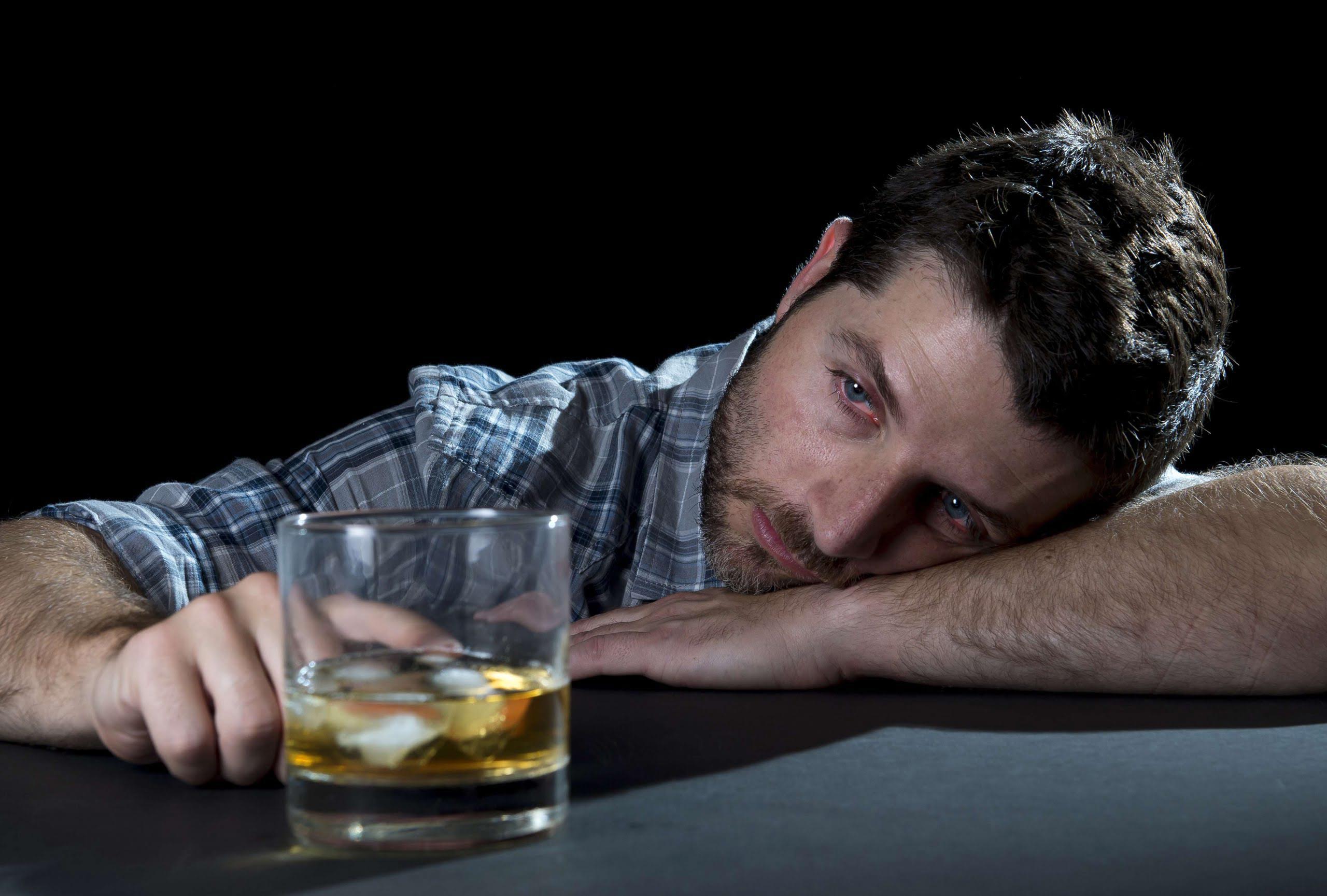
The Alcohol Use Disorders Identification Test (AUDIT; 31), Drug Abuse Screening Tool (DAST; 32,33), and the Substance Use Inventory (SUI; 34) are brief measures to assess recent use, some of which also assess functional impacts of use. Alcohol use disorder (AUD) is a chronic, relapsing brain disease characterized by a reduced ability to stop or control alcohol use despite negative social, work, or health consequences. Often, it co-occurs and interacts with post-traumatic stress disorder (PTSD), which may develop after experiencing or witnessing a life-threatening event, such as combat, a natural disaster, a car accident, or sexual assault, and can result in shock, confusion, anger, and anxiety.

Definition of PTSD (Post-Traumatic Stress Disorder)
- Second, the high-risk hypothesis suggests that alcohol use may enhance the risk for PTSD by increasing the likelihood of trauma exposure or by impairing the detection of danger cues in the environment.
- Because the studies used similar inclusion/exclusion criteria and similar outcomes, making overall conclusions based on these studies seems reasonable.
- Further, they tend to have more complex treatment courses and need more episodes of treatment (Bowe & Rosenheck, 2015; Hawkins et al., 2012; Kaier et al., 2014).
- In another study of 254 veterans with alcohol dependence and a variety of co-occurring mood and anxiety disorders (Petrakis et al. 2005), naltrexone, disulfiram, or a combination of both was added to treatment as usual.
This is an exciting field of study, which has important ramifications both for research and clinical treatment settings and hopefully investigators will be encouraged to conduct studies that can move this field forward. Implementing SUD treatments Drug rehabilitation for individuals with co-occurring PTSD and AUD could be a way for providers to address clinical needs without learning another manual-guided treatment. It is important to note that while these risk factors can increase the likelihood of developing PTSD, not everyone who experiences a traumatic event will develop the disorder. The human response to trauma is complex and multifaceted, and each individual’s experience is unique. Finally, two studies in this virtual issue focus on military personnel and veterans.